Attic Insulation Cost in Ottawa: Top-Up or Full Replacement?
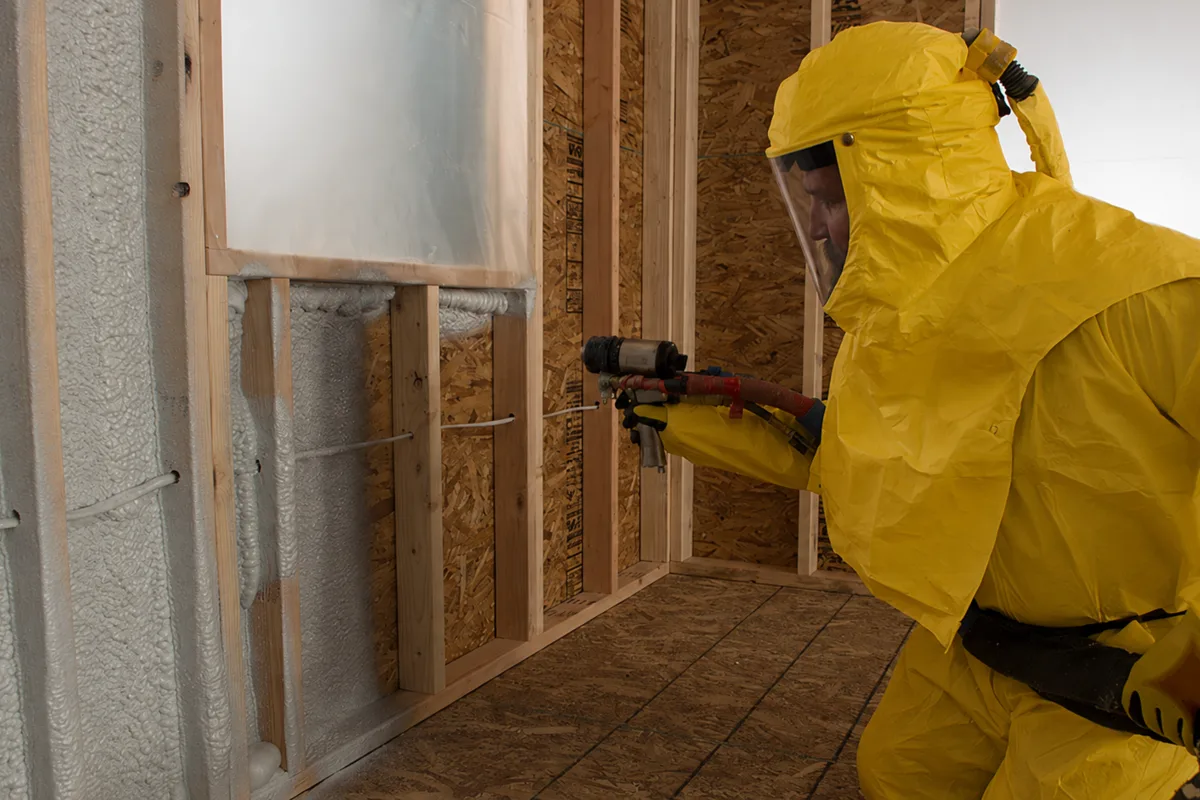
Most Ottawa attics do not need to be emptied simply because the insulation is old. If the existing material is dry, safe and usable, topping it up is usually the less expensive option. Removal makes more sense when insulation is wet, heavily contaminated or blocking repairs.
Pro Insulation Ottawa publishes a price of $1.50 to $3.00 per square foot for blown-in attic insulation. At that rate, the installation portion of a 1,000-square-foot attic would cost approximately $1,500 to $3,000, before tax and any removal, repair or specialized cleanup.
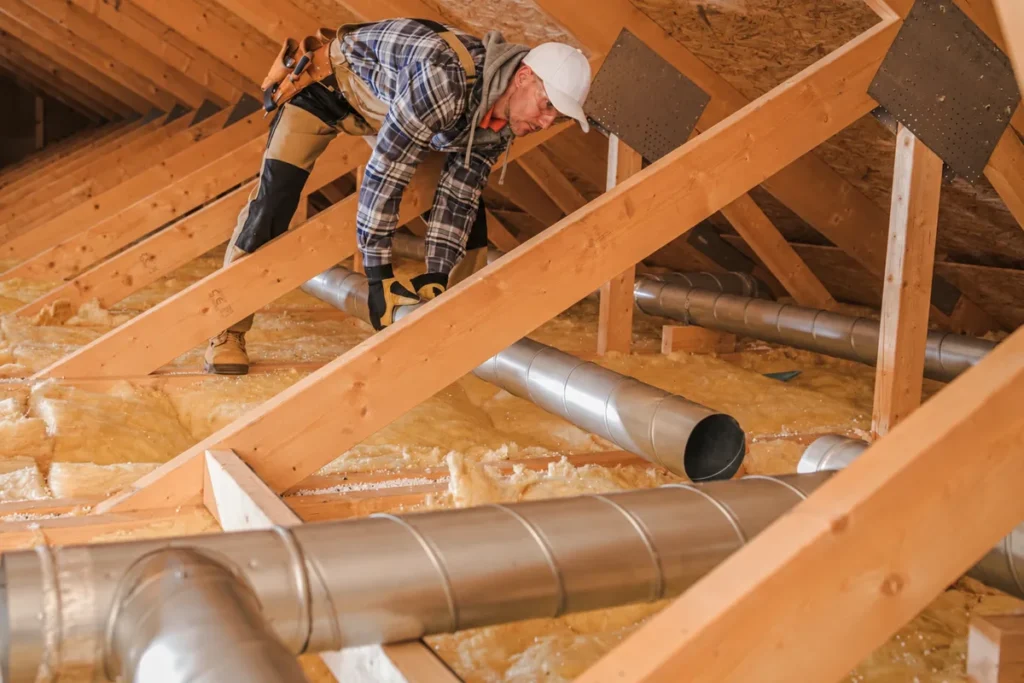
Estimated Blown-In Insulation Cost
| Attic area | Estimated installation cost |
|---|---|
| 600 sq. ft. | $900–$1,800 |
| 1,000 sq. ft. | $1,500–$3,000 |
| 1,500 sq. ft. | $2,250–$4,500 |
| 2,500 sq. ft. | $3,750–$7,500 |
These are planning figures based on one contractor’s advertised pricing, not an Ottawa-wide market average. They apply to blown-in insulation and do not include every service an attic may require.
Two attics with the same floor area can receive different quotes. One may need a modest top-up over clean insulation. The other may need removal, leak repairs, pest cleanup, air sealing and new baffles before insulation can be installed.
The amount of new material also matters. Adding a shallow layer to an attic that is already well insulated should not be priced the same way as bringing a nearly empty attic to the target depth.
Should You Top Up or Replace the Insulation?
| Attic condition | Likely approach |
|---|---|
| Dry, clean insulation that is evenly distributed but too shallow | Top up |
| Dry insulation with a few thin or compressed areas | Redistribute or top up |
| A small area damaged by an old, repaired leak | Remove the affected material, then top up |
| Widespread wet or mould-affected insulation | Consider full removal |
| Heavy pest contamination or persistent odour | Consider removal and pest exclusion |
| Insulation blocking necessary ceiling or electrical repairs | Partial or full removal |
| Unidentified loose fill that may contain asbestos | Stop work and arrange a professional assessment |
This is a starting point. Localized damage does not automatically justify emptying the entire attic, while serious contamination should not be buried under a fresh layer.
When a top-up is enough
A top-up leaves usable insulation in place and adds enough material to reach the planned thermal resistance. It is generally appropriate when the existing insulation is dry, identified, free of significant contamination and not preventing access to repairs.
The contractor should measure the depth in several locations. The area beside the hatch may have been compressed by storage or foot traffic, so one reading is not enough.
The quote should name the existing insulation, the product being added and the intended final R-value. A promise to “add 12 inches” is incomplete because loose-fill products achieve different R-values at different depths and installed densities.
Natural Resources Canada advises checking the type, condition, depth and coverage of existing attic insulation. Material that remains dry and usable does not normally need to be discarded simply because it is old.
When removal is justified
Removal is more likely to be worthwhile when leaving the material in place would conceal a problem, create a health concern or prevent necessary work.
Common reasons include widespread leak damage, extensive rodent contamination, unresolved mould, large compressed areas and repairs that require access to the ceiling from above. Insulation may also need to be moved when important air leaks cannot otherwise be reached.
Full removal is not the only option. If damage is confined to one corner, the affected material may be removed while the rest remains. Ask the contractor to show you the problem areas and explain why each section needs to be cleared.
A complete removal and replacement project may involve protecting the route through the house, extracting and disposing of the old insulation, cleaning the attic floor, completing repairs, sealing ceiling penetrations, installing baffles and blowing in new material.
Pro Insulation Ottawa does not publish a standard removal price. That portion requires an inspection because access, material volume, disposal requirements and contamination risks vary. A reliable full-replacement quote therefore cannot be calculated from square footage alone.
What the Contractor Should Check First
Before adding insulation, the contractor should look for moisture, air leakage and blocked ventilation.
Water may be entering through the roof or plumbing. Moisture can also reach the attic when warm indoor air escapes through gaps around wiring, plumbing, ceiling fixtures, bathroom-fan housings or the attic hatch. Bathroom exhaust ducts that discharge into the attic are another potential source.
Any active leak or exhaust problem should be corrected before new insulation is installed. A small area affected by a repaired leak may require only localized removal and drying. Widespread wet material or recurring mould may justify a larger cleanout.
Air sealing should also be addressed while the attic floor remains accessible. Insulation slows heat transfer, but it does not seal cracks and penetrations. Natural Resources Canada notes that fibreglass and other insulation products are not substitutes for proper air-sealing materials.
If a quote says only “seal as required,” ask what that includes. The contractor should identify the areas inspected and the work covered by the price.
Ventilation needs to be considered at the same time. Where soffit vents are present, insulation must be kept out of the airflow path. Baffles may be needed at the eaves, but adding more roof vents is not automatically the answer to a moisture problem. Ventilation cannot correct large amounts of warm, humid air leaking through the ceiling.
Is R-60 Mandatory?
Pro Insulation Ottawa uses R-60 as a target for its attic upgrades, but R-60 should not be described as a universal legal requirement for every existing Ottawa home.
The appropriate target may depend on the roof assembly, existing insulation, renovation scope and rebate conditions. Requirements for new construction do not necessarily apply to every retrofit in the same way.
The written quote should state the estimated existing R-value, proposed final R-value, insulation product and final installed depth. It should also reflect the manufacturer’s coverage specifications so there is a clear basis for the amount of material being installed.
Safety Issues That Can Change the Work
Some attic conditions require another trade or a specialized contractor before insulation work can proceed.
Vermiculite and possible asbestos
Some older vermiculite insulation may contain asbestos. Unidentified loose-fill material should not be disturbed or vacuumed until it has been assessed.
Health Canada recommends avoiding disturbance and obtaining professional testing when asbestos-containing material may be present. If asbestos is confirmed, an appropriately qualified specialist should handle the work.
Chimneys, flues, lights and wiring
Insulation must be kept away from components that require fire-safety clearances. These can include masonry chimneys, combustion vents, recessed lights, electrical equipment and knob-and-tube wiring.
The required clearance depends on the component. An electrician or another qualified trade may need to inspect or correct the area before insulation is added.
Pest contamination
A few old signs of pest activity are different from an active infestation or a heavy accumulation of droppings. Extensive contamination can create an airborne hazard when disturbed.
Animals should be removed and their entry points closed before new insulation is installed. Otherwise, the same damage may occur again.
What Should the Quote Include?
To compare contractors fairly, make sure they are pricing the same work. The written quote should identify:
- Measured attic area
- Existing insulation type and average depth
- New insulation product
- Added and final depth
- Target R-value
- Air-sealing work
- Baffles to be installed or replaced
- Attic-hatch treatment
- Removal and disposal
- Cleanup and access protection
- Repairs included or excluded
- Tax
- Labour and product warranties
Removal, repairs and contamination work should appear as separate items. A low insulation price may not represent a lower total project cost if preparation work has been omitted.
Ottawa Attic-Insulation Rebates
Ontario’s Home Renov Renovation Savings program lists assessment-based and no-assessment options that may provide rebates for qualifying attic-insulation work.
Under the published no-assessment attic-stream terms, eligible participants may receive up to $1,250 for attic insulation, limited to 50% of the actual project cost. The program requires an authorized participating contractor and currently lists a completion deadline of November 30, 2026.
The assessment-based route uses different amounts based on the insulation level before and after the project and the percentage of the roof assembly being insulated. Its published maximum for qualifying attic work can reach $1,500.
Eligibility, funding and deadlines can change. Confirm the current requirements directly with the Home Renovation Savings program before signing a contract or starting work.
The Practical Answer
For a 1,000-square-foot attic, Pro Insulation Ottawa’s advertised blown-in rate gives an installation estimate of approximately $1,500 to $3,000, before tax and additional work.
A top-up is usually the better value when the existing insulation is dry and usable. Removal is more likely to make sense when damage or contamination is widespread or the attic floor must be exposed for repairs.
If a full cleanout is recommended, ask the contractor to document the affected areas and separate removal, disposal and repairs from the new-insulation price.